Leading rigid boxes machine Manufacturer

How Can Your Print Business Keep Up With Shorter Run Demands?
Time: 2026-01-08 10:47:30
Author: Kylin machine company
Click:
Are you struggling to meet the growing demand for shorter, more sustainable book
Are you struggling to meet the growing demand for shorter, more sustainable book runs? The market is shifting, and keeping up with publisher needs for flexibility and efficiency is a real challenge. It’s time to adapt or risk being left behind.
The key is investing in advanced digital printing and finishing technology. By embracing automation and integrated workflows, you can produce high-quality, short-run orders profitably, reduce waste, and meet the fast-changing demands of modern publishers.
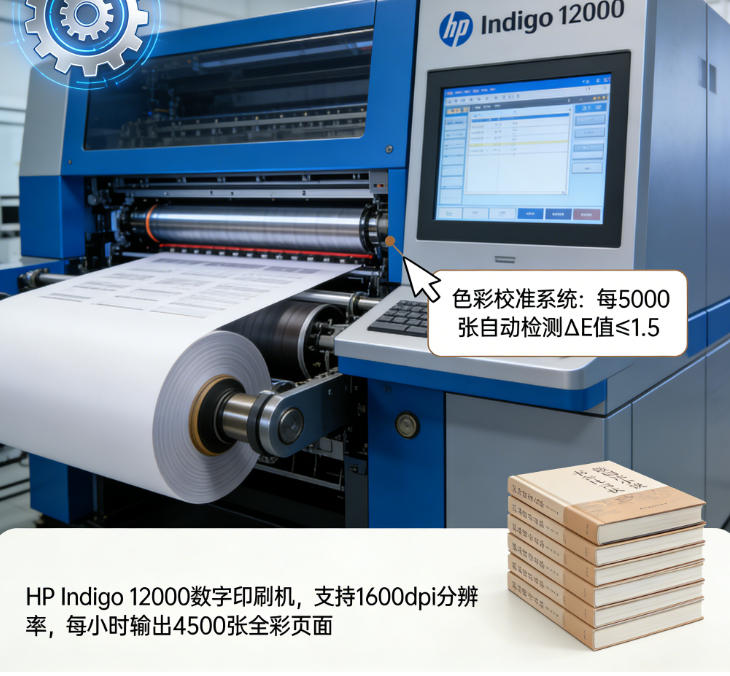
This shift isn’t just a trend; it’s a fundamental change in the publishing industry. Companies that recognize this are already making moves. Let’s look at a real-world example of a business that is successfully navigating this new landscape. It shows how strategic investments can turn market pressures into a competitive advantage.
Why Are Major Printers Investing in On-Demand Technology?
Feeling the pressure from publishers to deliver smaller orders faster? You’re not alone. This demand for short runs and just-in-time delivery can strain traditional printing models, making it hard to maintain profitability and service quality.
Major printers are investing heavily in digital print-on-demand technology to gain flexibility and efficiency. This allows them to optimize inventory, reduce waste, and respond instantly to publisher demands, securing their position in a competitive market.
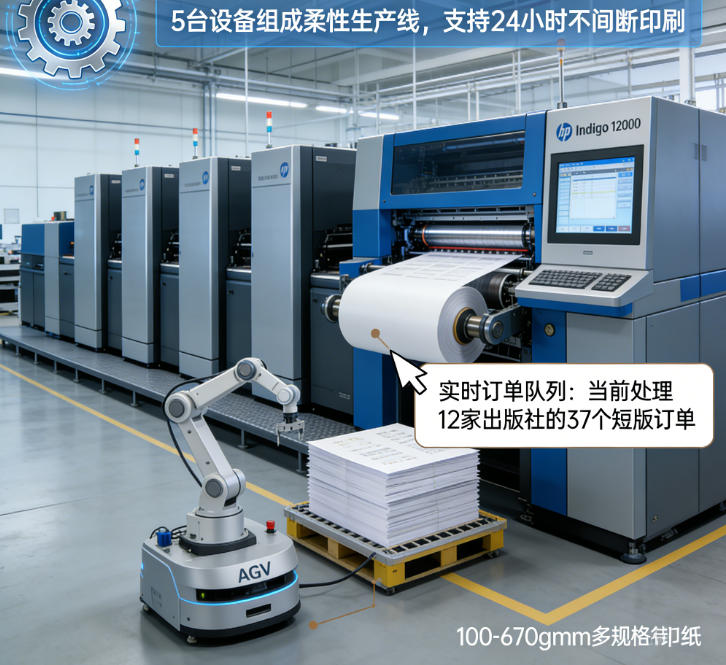
The decision to invest in this area goes beyond just buying new machines. It’s a strategic move to realign operations with the core needs of the market. I saw this firsthand with the recent news about CPI, one of Europe’s largest book printing groups. They installed two new Ricoh Pro C9500 toner presses, not just to add capacity, but to fundamentally enhance their service. This move highlights a broader industry trend toward localization and sustainability. By producing books closer to the point of demand, they cut down on shipping and storage, which aligns perfectly with the environmental goals of many publishers. It’s a smart way to build stronger partnerships.
The Driving Forces Behind the Investment
| Market Demand | Strategic Response | Technological Enabler |
|---|---|---|
| Shorter Book Runs | Zero-Inventory Model | Digital Toner Presses |
| Sustainability Goals | Localized Production | Advanced Automation |
| Publisher Flexibility | Warehouse-Based Production | Integrated Workflows |
This approach allows them to make printing decisions based on real-time demand, a model that was almost unthinkable a decade ago. It’s a powerful example of how adapting your production strategy can lead to significant growth and stronger client relationships.
How Does Advanced Machinery Enable This Shift?
Is your current equipment holding you back from capturing the lucrative short-run market? Relying on older, less flexible machinery can mean turning down jobs, missing deadlines, and losing out to more agile competitors who have already upgraded their technology.
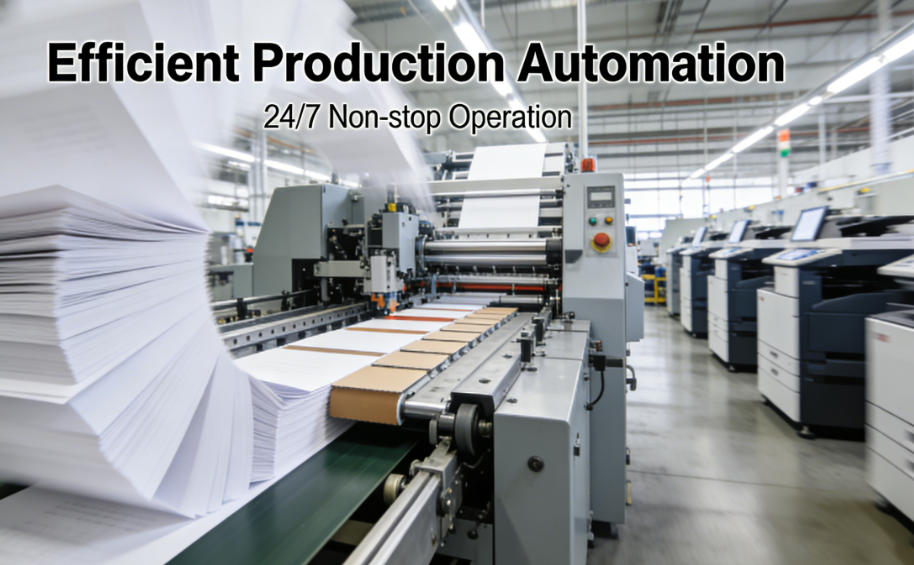
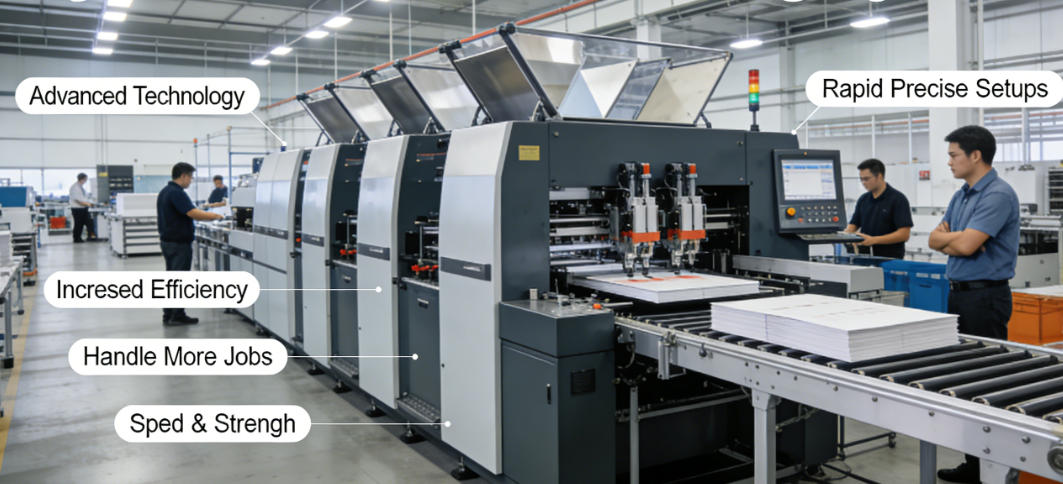
Advanced machinery, like automated rigid box makers and integrated presses, is the engine behind this shift. It provides the speed, precision, and workflow integration needed to make print-on-demand and short-run production not just possible, but highly profitable.
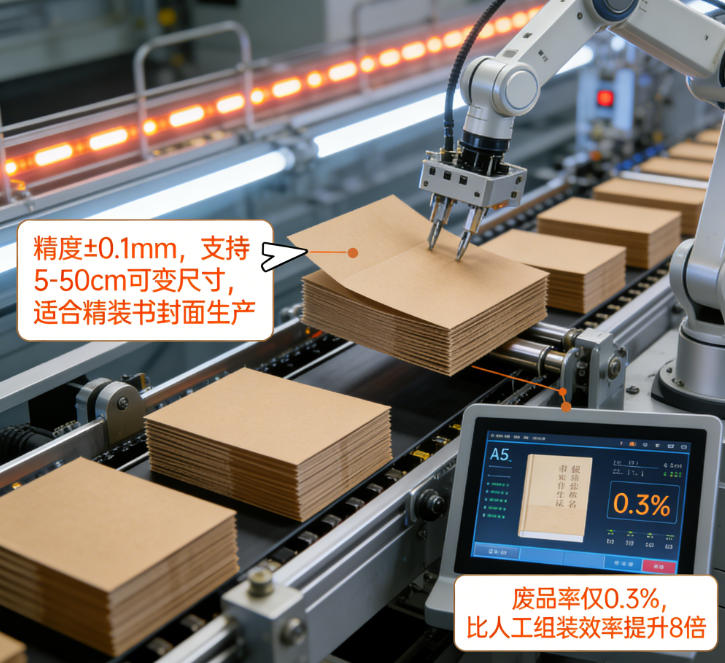
The technology itself is what makes the strategy work. For CPI, the Ricoh presses offered advanced automation and workflow integration. This isn’t just about printing faster; it’s about creating a seamless production line from order to finished product. Predictive maintenance tools also play a huge role, ensuring uptime and reliability, which is critical when dealing with tight deadlines. I remember a client of mine who was hesitant to upgrade. They were running an older setup and struggling with the setup times for small jobs. After they invested in one of our Fully Auto Rigid Box Machines, everything changed. The machine’s servo control and robotic arm positioning system allowed them to handle a huge variety of box types with minimal changeover time.
The Technology That Makes It Happen
This kind of automation is no longer a luxury; it’s a necessity.
- Automated Set-up: Modern machines can automatically adjust for different job specifications, drastically reducing the time it takes to switch from one product to another.
- Integrated Workflow: Systems talk to each other, allowing a job to move from printing to finishing without manual intervention.
- Precision and Quality: For products like luxury packaging, the quality has to be perfect every time. Our Semi-Auto Box Wrapping Machine is a great example for smaller producers who need that high-end finish without the footprint of a massive line. It ensures every wrap is tight and every corner is perfect.
This integration of hardware and software is the key to unlocking the efficiency needed for a zero-inventory model. It allows you to serve your customers better and build a more resilient business.
Conclusion
Investing in modern, automated machinery is the most effective way to meet the demand for shorter runs and build a more sustainable and profitable printing business for the future.

点击右上角
分享给朋友吧







 Long by picture save/share
0
More News
-

How do post-pres...
Are your orders piling up? Slow packing ruins your good name. Customers leave yo
MORE -
Is Epson’s New A...
Struggling with limited space but need to expand your printing capabilities? Eps
MORE -
Is Xerox’s Lates...
Struggling to keep up with printing demands? You’re not alone. Many businesses f
MORE -
How Can a Bookle...
Are you struggling with production bottlenecks? Tired of slow turnaround times h
MORE -
Is Your Print Bu...
Your stitching line is slow, causing bottlenecks and missed deadlines. This inef
MORE -
Is Canon’s New P...
Struggling to meet the strict standards for traffic signs? It’s a tough market w
MORE